| Event type: | National and Regional Zoom Events |
| Date: | Thursday 24th September 2026 |
| Time: | 2:00 pm - 3:15 pm |
| Venue: | Zoom |
| Organiser: |
The Third Age Trust
|
| Cost: | Free |
| Booking: | Note that booking is required. |
Join our panel of researchers as they explore evidence-based ways to improve and maintain brain health.
This event is part of u3a week which annually celebrates the learning and fun of u3a. This year our u3a week events are themed around expanding horizons.
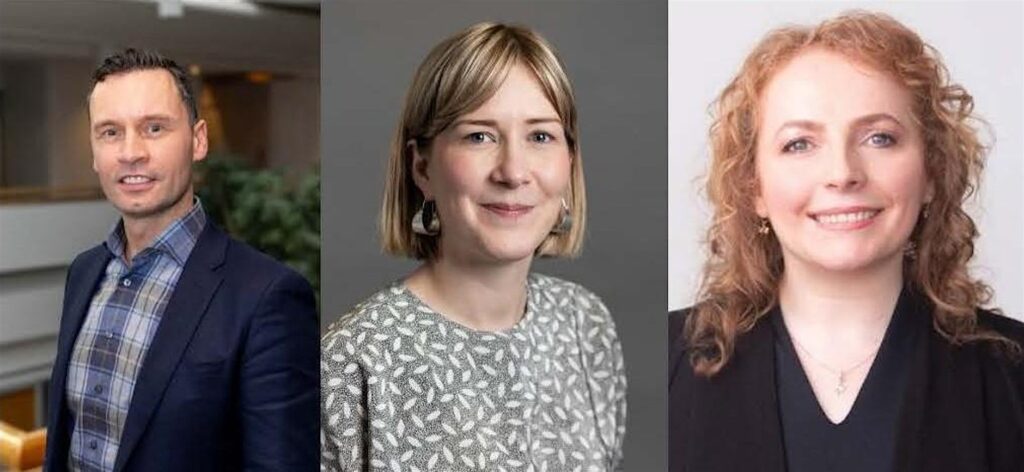
As we age, we may experience changes in our thinking and memory skills. However, people differ in the way our brain health develops and changes as we get older. Opening this session, Professor Alan Gow will highlight how large-scale studies have identified the lifestyle, behavioural and environmental factors associated with brain health including social, physical and mental engagement, and positive health behaviours. Though identifying brain health promoting factors is important, a current priority is translating those into real-world interventions that might build or maintain brain health. Professor Louise Nicholls will introduce ongoing research looking at strategies people use to support memory, as well as the impact of intergenerational engagement on brain health and wellbeing in older age. Closing the session, Dr Joanna Crispell will share examples from Brain Health Scotland turning research evidence into programmes for adults and children supporting brain health awareness and actions we can take.
About the panelists
Professor Alan Gow (Heriot-Watt University)
Alan’s research identifies the lifestyle factors that protect or harm the ageing brain. He focusses on modifiable factors including activity engagement and social connections, as these provide targets for intervention. He co-leads wattAGE, the research network focussed on healthy ageing within the University’s Global Research Institute in Health and Care Technologies. His current main activity is leading CONSOLIDATE, a research network exploring how technologies can be developed to enhance independent living dementia (www.dementia.hw.ac.uk). Ensuring research has impact is a priority, and Alan has contributed to SAPEA’s “Transforming the Future of Ageing” report and the Global Council on Brain Health. Alan also leads various outreach activities sharing what we think benefits brain health, ranging from talks with older people’s groups, performances at festivals and science events, and media contributions. Those activities were recognised by the British Psychological Society Public Engagement and Media Award in 2016, and as one of two runners-up in the 2019 Nature Research Awards for Driving Global Impact.
Professor Louise Nicholls (University of Strathclyde)
Louise’s research explores cognitive abilities like attention and memory, how they change with adult ageing, and what techniques and lifestyle interventions could help maintain or improve their functioning. She is Director of the Strathclyde Ageing Network of multidisciplinary ageing-related researchers and a founding committee member of the Scottish Cognitive Ageing Network. Louise currently leads a major project, in collaboration with the Universities of Leeds and Sheffield and funded by the Economic and Social Research Council, which investigates the mental strategies people can use to try to maximise their cognitive performance. Louise enjoys working collaboratively with external organisations, including u3a and the Scottish Older People’s Assembly, along with older adults in the community, to share knowledge and ideas about healthy ageing. She aims for her group’s research to positively impact people’s health and wellbeing in everyday life as they age.
Dr Joanna Crispell (Brain Health Scotland)
Joanna is a former virologist turned science communicator, passionate about engaging communities with everyday science to improve lives. As Head of Brain Health, she creates programmes that inspire people to care for their brain health at every stage of life, using co-design and creative approaches to inspire behaviour change. She developed the STARS: My Amazing Brain programme, which has reached more than 30,000 children, alongside other innovative public engagement initiatives that make brain health accessible and relevant to diverse audiences.
About Future Lives
This event is part of the Future Lives series of talks; the u3a’s Future Lives group explores how we can have a better later life, aiming to challenge attitudes and break down physical barriers that restrict people as they get older. We want to use our collective voice to bring about change. Find out more on the Future Lives webpage.
Contact impact@u3a.org.uk for more information or if you have any questions.
Register