| Event type: | National and Regional Zoom Events |
| Date: | Friday 13th November 2026 |
| Time: | 2:00 pm - 3:30 pm |
| Venue: | Zoom |
| Organiser: |
The Third Age Trust
|
| Cost: | Free |
| Booking: | Note that booking is required. |
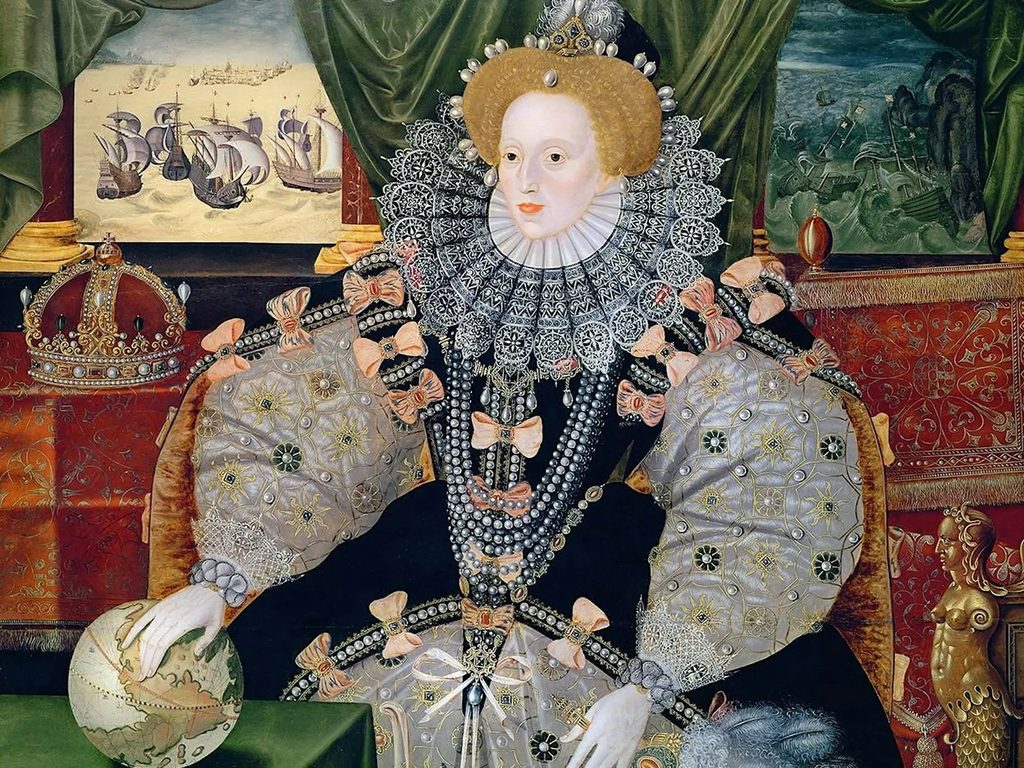
Discover how 16th-century bodices were constructed, shaped and stiffened using historical materials and ingenious techniques.
Explore the changing shape and style of women’s dress in 16th-century England, from the 1530s to the end of Elizabeth I’s reign.
Constance Mackenzie will look at how the fashionable fitted bodice developed and how women achieved the distinctive structured silhouette that we associate with Tudor and Elizabethan clothing.
Drawing on her own research and practical experiments in historical dressmaking, Constance will then take us behind the finished garment to explore how these bodices may have been constructed. Discover the materials and techniques used to create shape and stiffness, including buckram made with rabbit-skin glue and wooden busks, and find out how effective support could be achieved without relying on whalebone.
The talk offers a fascinating combination of fashion history, social history and experimental reconstruction, revealing some of the ingenuity hidden beneath the elaborate clothing of the 16th century.
About the Speaker
Constance Mackenzie is a professional costume maker working in the film and television industry, specialising in the recreation of historical garments using original techniques and combining historical research with practical experimentation. Her work has featured in productions including Wonder Woman, Consecration, Wolf Hall: The Mirror and the Light and The Rings of Power. She also teaches costume making and costume history.
Constance is also a contributor and garment maker for the Greensleeves Project, an interdisciplinary collaboration exploring the clothing and material culture described in the famous Elizabethan ballad. As part of the project, she researched and reconstructed one of Greensleeves' petticoats, including its supportive, stiffened upper body, using historical evidence and practical reconstruction to investigate how such garments may have been made and worn.
You can follow along with her work on Instagram and youtube.